
afternoon sun

Best Outdoor Blinds for West-Facing Sun in Australia

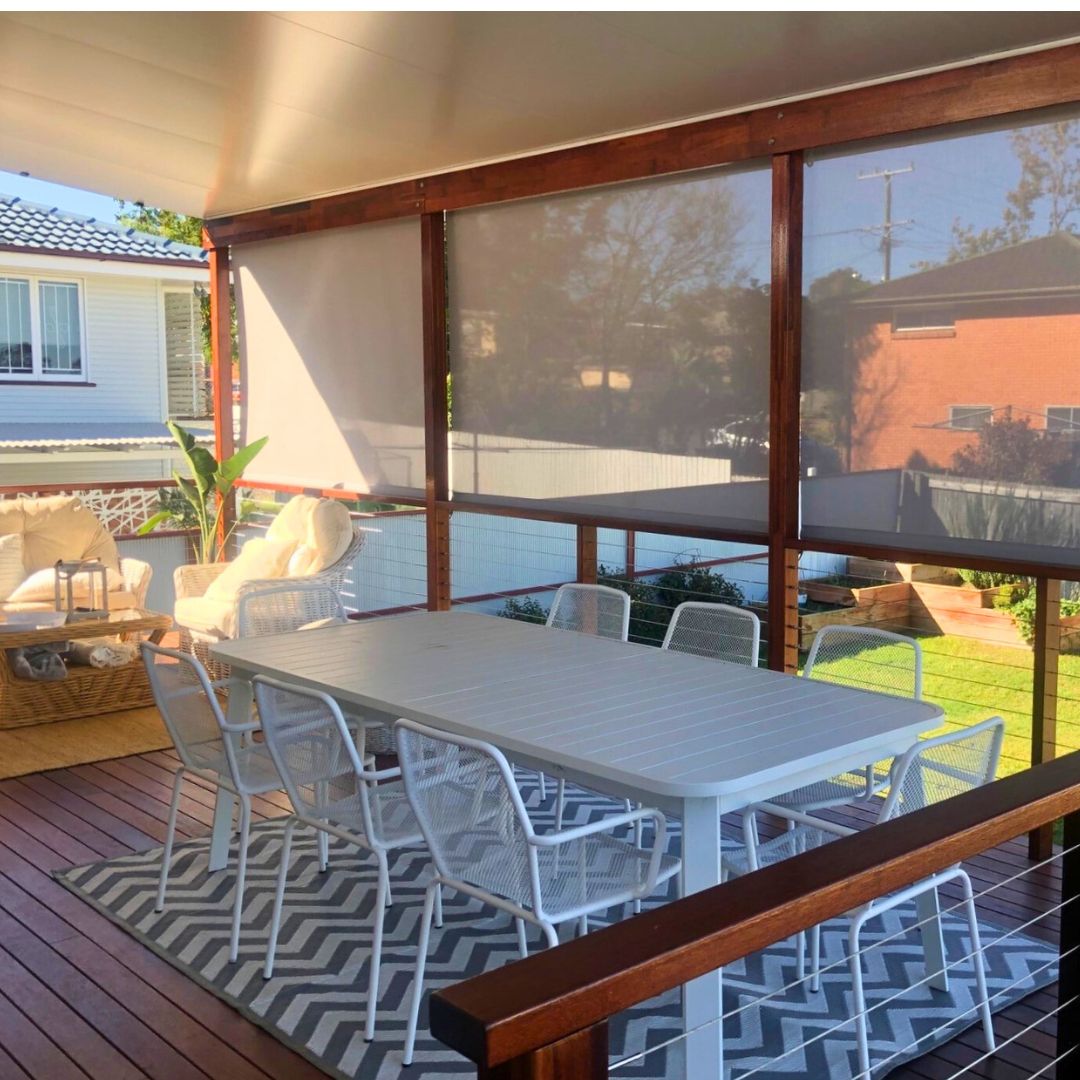
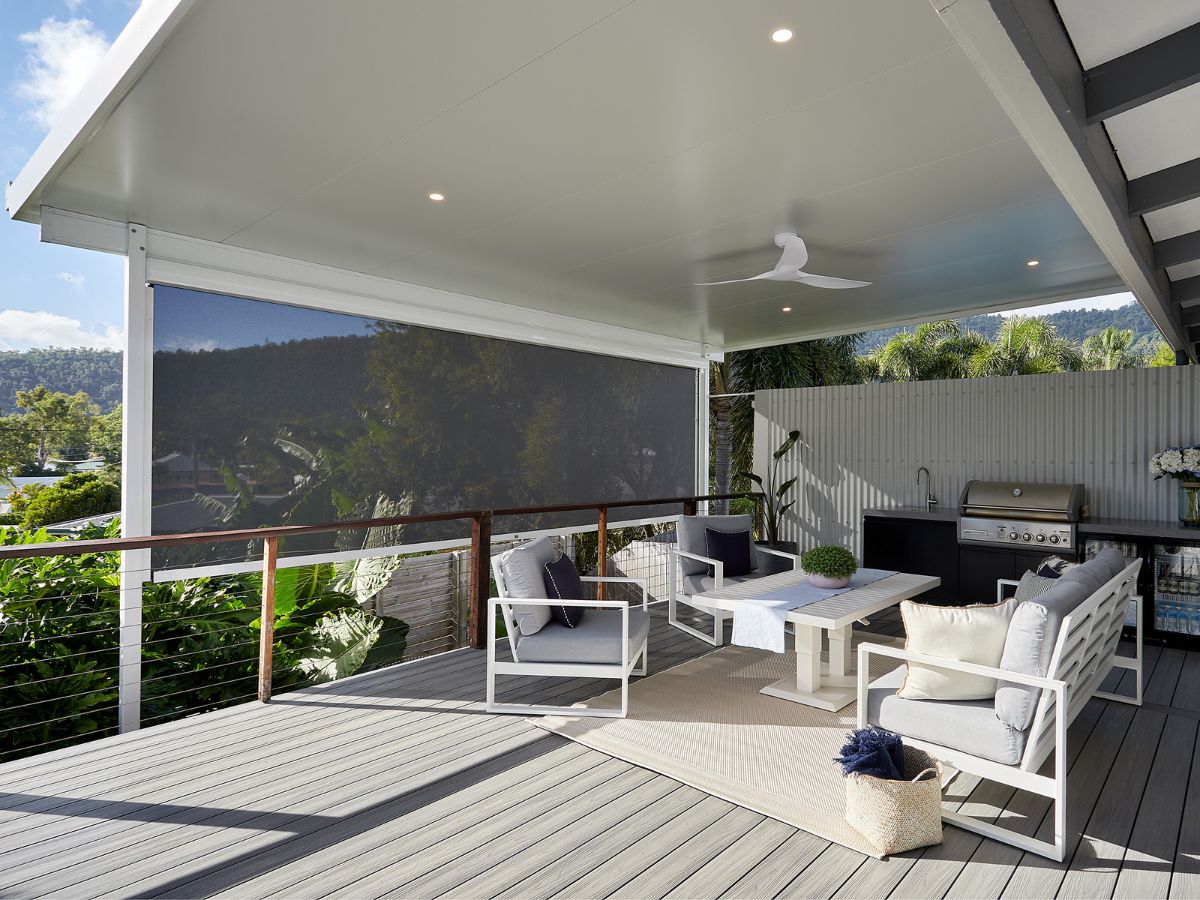
Ozrite Ziplock outdoor blind shading a covered deck from west-facing afternoon sun

West-facing sun is one of the hardest shade problems in an Australian home because the afternoon sun comes in low, hot and direct. The best outdoor blind is usually an external mesh blind fitted outside the glass or opening, because it blocks sun before it turns into trapped indoor heat while still allowing airflow and outward visibility. If heat is the main issue, start with Ozrite's guide to outdoor blinds for sun and heat protection.

Ozrite Ziplock outdoor blind shading a covered deck from west-facing afternoon sun
Ozrite Ziplock outdoor blind installed on a covered deck for shade, privacy and outdoor comfort.

Why West-Facing Sun Is So Hard To Control

North-facing openings are often easier to shade with eaves because the summer sun sits higher in the sky. West-facing windows and patios are different. In the afternoon, the sun sits lower, which means it can slide under eaves, verandas and shallow awnings.

That is why west-facing rooms often feel fine in the morning and uncomfortable later in the day. The problem is not just brightness. Direct sun on glass, walls, paving, furniture and flooring turns into radiant heat that keeps building even after the sun moves away.

For west-facing areas, external adjustable shade usually works better than relying on internal blinds alone. Internal blinds can reduce glare, but by the time sunlight has passed through the glass, much of the heat is already inside. For product options, compare Ozrite's outdoor blinds and external window blinds.

Best Blind Types For West-Facing Sun

Option Best For Watch-Out Ozrite Fit
Mesh outdoor blinds Heat, glare, airflow, daytime privacy and keeping some view Less rain protection than PVC Best all-round choice for west-facing sun
Clear PVC outdoor blinds Rain, wind, winter enclosure and keeping a clear view Can trap heat and reduce airflow Better when weather protection matters more than summer cooling
Internal blinds or curtains Glare and privacy inside the room Heat has already reached the glass Useful backup, not the main solution
Fixed awnings or eaves High-angle sun and simple shade Low western sun can still enter Helpful, but often not enough alone
Track-guided outdoor blinds Wind-prone areas and a cleaner seal Higher investment than basic straight-drop blinds Strong option for exposed patios and alfresco areas

West-Facing Sun Fit Score

This simple visual ranks common options for the specific problem of low afternoon sun. The score is not a lab rating; it is a practical buyer-fit guide based on heat, glare, airflow, privacy and suitability for Australian outdoor living.

West-Facing Sun: Blind Type Fit Score 9/10 5/10 4/10 6/10 Mesh outdoor blind Clear PVC blind Internal blind Fixed awning

Mesh Is Usually The Best Starting Point

For west-facing Australian homes, mesh outdoor blinds are usually the first product to consider. They suit the actual problem: harsh sun, afternoon glare and heat build-up.

The key benefit is balance. Mesh can reduce the force of direct sun while still letting the area breathe. It can also improve daytime privacy without completely closing off the space. That makes it especially useful for west-facing patios, decks, balconies, alfresco areas and external windows.

The right mesh depends on the home. A tighter fabric can improve heat, glare, privacy and weather protection, while a more open fabric can preserve more view and airflow. If you are choosing between colours and openness levels, use the outdoor blind fabrics and colours guide before ordering.

When Clear PVC Makes More Sense

Clear PVC outdoor blinds are best when the buyer wants an enclosed outdoor room feel. They are useful for rain, wind, winter comfort and keeping a clear view.

For a west-facing summer heat problem, though, PVC needs careful thought. A clear material lets more light through than a sunscreen mesh, and if the area is fully enclosed it may trap warm air. PVC can still be the right choice, but usually when weather protection is the main goal and heat reduction is secondary.

How To Choose The Right Blind For A West-Facing Area

Buyer Priority Better Direction
Reduce afternoon heat Mesh external outdoor blind
Cut glare but keep airflow Mesh with suitable openness and colour
Keep rain out of a patio Clear PVC or mixed PVC/mesh setup
Stop blinds moving in wind Track-guided system
Keep the lowest possible budget DIY blind, with fit and durability trade-offs
Make the area feel finished Custom-measured outdoor blind with matching components

Colour Matters, But Fit Matters More

Blind colour affects glare, view, privacy and how the finished area looks. But for west-facing sun, the bigger issue is whether the blind is outside the glass, correctly measured and suitable for the amount of exposure.

A cheaper blind that leaves large side gaps may still let low-angle sun hit the glass or outdoor setting. A custom outdoor blind can be measured to suit the opening and chosen around the actual use case: cooling a room, shading an alfresco, protecting furniture, improving privacy or making an outdoor space usable later in the day. For real examples, browse the outdoor blinds inspiration gallery.

What To Measure Before Choosing

  • Which direction the opening faces.
  • When the sun becomes uncomfortable.
  • Whether the goal is heat, glare, privacy, rain, wind or all of these.
  • Whether the blind is for a window, patio, balcony, pergola or alfresco.
  • The width and drop of the opening.
  • Whether there are posts, gutters, handrails, doors or uneven surfaces.
  • Whether you want manual or motorised operation.

This also helps avoid buying a blind that technically fits the width but does not solve the actual sun path problem. Before ordering, follow Ozrite's how to measure outdoor blinds guide.

Recommended Ozrite Direction

For most west-facing homes, start with a mesh external outdoor blind and choose the fabric based on how much view, privacy and airflow you want to keep. If the area is exposed to wind, consider a guided system. If the main issue is rain protection or winter enclosure, compare mesh with clear PVC before deciding.

The smartest choice is not always the darkest, thickest or most expensive blind. It is the blind that matches the direction, exposure, opening size and way you actually use the space.

Compare Ozrite outdoor blind options for sun and heat protection.

FAQ

Are outdoor blinds good for west-facing windows?

Yes. Outdoor blinds are especially useful for west-facing windows because they can block low afternoon sun before it hits the glass.

Are external blinds better than internal blinds for heat?

Usually, yes. External blinds stop more sun before it enters the home, while internal blinds mostly deal with glare and privacy after sunlight has already reached the glass.

What is better for west-facing sun: mesh or clear PVC?

Mesh is usually better for west-facing summer sun because it reduces heat and glare while allowing airflow. Clear PVC is better for rain, wind and enclosing an outdoor area.

Will outdoor blinds make a room cooler?

They can help reduce heat gain when they shade the glass or outdoor area before direct sun hits it. Results depend on orientation, fabric, colour, fit and how exposed the area is.

Do west-facing patios need track-guided blinds?

Not always, but track-guided blinds are worth considering for exposed patios where wind movement, side gaps or a cleaner seal are concerns.

Not Sure Which Outdoor Blind Is Right?

Find the Best Fit for Your Space.

Every patio, pergola and outdoor area is different. Compare your options for sun, wind, privacy, fabric and budget, then choose the Ozrite outdoor blind that suits your space.

Measure. Choose. Order. Install.

Find My Outdoor Blind →